

Investors ask us some version of the same question every week: "Where should I buy a rental in San Antonio?" The honest answer is that no neighborhood is a good deal at any price, and every area has blocks that rent better than others. But the strongest San Antonio rental areas do share a few traits: steady renter demand from a large employer or military base, good schools, purchase prices that make sense against rent, and property taxes and HOA dues you can live with. Here's where investors are looking, and the checklist we use to judge any specific home.
What makes an area good for rentals?
For long-term single-family rentals, the areas that hold up best have:
- A reliable source of renters. San Antonio has several: Joint Base San Antonio (Lackland, Randolph and Fort Sam Houston), the South Texas Medical Center and a growing list of regional employers.
- Schools families search for. Family renters stay longer, and they choose homes by school district.
- A purchase price that works against rent. A beautiful home that rents for too little relative to its price is a weak rental.
- Manageable carrying costs. Property taxes, HOA dues and insurance can make or break cash flow in Texas.
Areas investors commonly consider
Northwest Side and Alamo Ranch
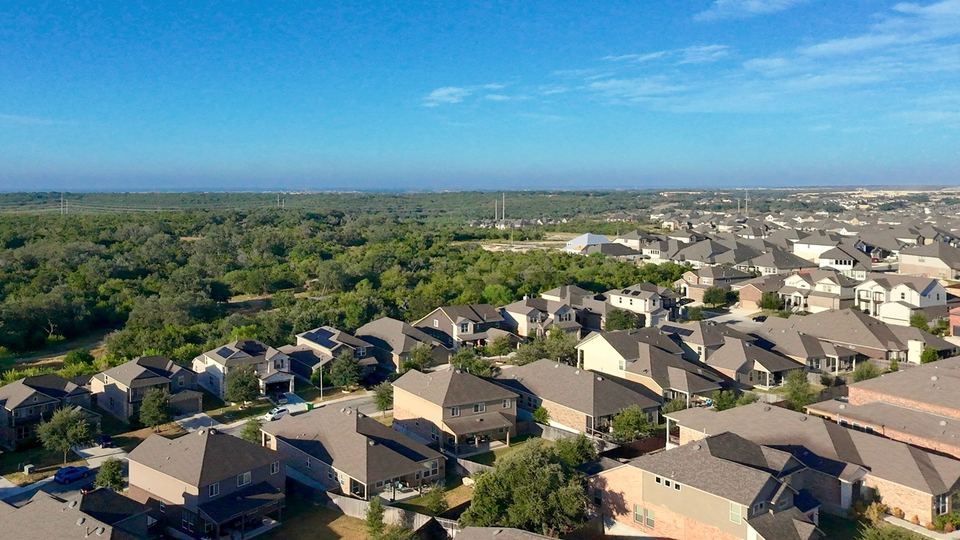
A large supply of newer single-family homes and steady demand from family renters. Access to Loop 1604 and Highway 151 makes the commute to the Medical Center and JBSA-Lackland practical, which widens your renter pool.
Watch for: HOA dues and the age of the subdivision. Two homes a mile apart can carry very different dues and very different repair timelines.
Medical Center area
The South Texas Medical Center is one of the city's biggest employment hubs. Healthcare workers, medical residents and students create consistent demand for townhomes, condos and smaller single-family homes close by.
Watch for: shorter tenancies from residents and students on fixed program schedules. Time lease end dates to the months when demand is strongest.
Northeast corridor: Live Oak, Universal City and Converse
Close to Joint Base San Antonio-Randolph, with demand from military families and civilian base employees. Military renters often value homes that are move-in ready and available on short notice when orders arrive.
Watch for: the Texas military lease termination right (Tex. Prop. Code §92.017), which lets service members end a lease early for qualifying orders. Plan for it in your numbers instead of being surprised by it.
Schertz and Cibolo
Popular with families for schools and newer housing, and convenient to Randolph and the I-35 corridor. Well-kept homes here tend to attract longer-term renters.
Watch for: purchase prices that run higher than in the city. Check that realistic rents actually support the numbers.
New Braunfels, Bulverde and Canyon Lake
Growth along I-35 and US 281 has brought new subdivisions and new residents. These areas attract renters who want more space and a suburban or Hill Country feel, often with a commute into San Antonio or toward Austin.
Watch for: a large inventory of new homes can mean more competition for renters, including builders offering incentives. Price carefully, and check whether the community has short-term rental or leasing restrictions.
Near Lackland and the West Side
Lower purchase prices and military-related demand near Joint Base San Antonio-Lackland.
Watch for: older housing stock. Budget more for repairs, and get a thorough inspection (including foundation and plumbing) before you buy.
How to judge any neighborhood
Whatever area you're considering, run every property through the same checklist:
- Rent-to-price ratio. Compare realistic monthly rent to the total purchase price, including closing costs and any make-ready work. Use recent leased comparables, not asking rents on listing sites.
- Property taxes. Texas has no state income tax, so property taxes do a lot of the work. Rates vary by city, county, school district and special districts (such as MUDs in some newer subdivisions), and investors don't get a homestead exemption. Look up the actual tax bill on the Bexar, Comal or Guadalupe appraisal district website.
- HOA rules and dues. Some HOAs restrict leasing, set minimum lease terms or require tenant registration. Read the rules before you buy, not after.
- Schools. Family renters search by school district. Strong schools usually mean longer tenancies and fewer turnovers.
- Days on market for rentals. How fast similar homes lease tells you how much renter demand there really is.
- Age and condition. Older homes may have foundation movement, cast-iron plumbing or older electrical systems. Budget for them up front.
- Insurance cost. Landlord policies vary by location and roof age. Get a quote before you go under contract.
What kind of renter will the home attract?
Match the property to the renter. A three-bedroom home near Randolph will attract a different tenant than a two-bedroom townhome near the Medical Center. Before you buy, think through who will rent it, what they'll realistically pay and what they'll need: a fenced yard for pets, a short commute to base or the hospital, a specific school zone, a garage. The closer the home fits a clear renter profile, the faster it leases and the longer that renter tends to stay.
If you're relocating and keeping your current home as a rental instead of buying one, our guide to renting out your San Antonio-area home when you PCS or move covers that side of it.
Frequently asked questions
What are the best areas in San Antonio for rental property?
For long-term single-family rentals, investors commonly look at the Northwest Side and Alamo Ranch, the Medical Center area, the Northeast corridor near JBSA-Randolph (Live Oak, Universal City and Converse), Schertz and Cibolo, New Braunfels, Bulverde and Canyon Lake, and the area near JBSA-Lackland. The best area for you depends on the price, rent, taxes and condition of the specific home.
Is San Antonio a good market for rental property?
San Antonio has large, stable sources of renter demand, including Joint Base San Antonio's military installations, the South Texas Medical Center and a growing regional population. Whether a specific home is a good investment depends on its purchase price, realistic rent, property taxes, insurance and condition.
Do rental investors get a homestead exemption in Texas?
No. The Texas homestead exemption applies only to an owner's primary residence. A home held as a rental pays property taxes on its full appraised value, so look up the actual tax rate for the city, county, school district and any special districts before you buy.
Should I buy new construction or an older home as a rental?
New homes usually mean lower repair costs in the first years, but often a higher price and more competition from nearby new listings. Older homes may cost less to buy but need a bigger repair budget for items like foundations, plumbing and electrical systems.
Can Newera help me find a rental property in San Antonio?
Yes. Newera is run by real estate investors and offers buyer representation, including on-market and off-market opportunities, along with full property management after you close. Send us an address for a free rental analysis before you buy.
Get a rent estimate before you buy
Considering a home in the San Antonio area? Send us the address and we'll give you a free rental analysis with real leased comparables, so you can run the numbers before you go under contract.
Or call our San Antonio team at (210) 812-5880.

Newera Property Management
Single-family and multifamily rental management in Houston and San Antonio, under a licensed Texas broker (TREC #9016567-BB).
This article is general information, not investment, legal or tax advice. Every property is different; review the numbers with your lender, tax professional and a local real estate professional before you buy. Hero photo: Katie Haugland Bowen, CC BY 2.0, cropped.